Fashion Photography: Capturing Style Through the Lens
Fashion photography occupies a distinct intersection between commercial enterprise and fine art. At its core, this discipline is about far more than documenting garments; it conveys mood, cultural shifts, personal identity, and aspirational storytelling. From high-fashion editorial spreads gracing glossy magazine covers to commercial lookbooks that drive global retail sales, fashion photography shapes how consumers perceive aesthetic beauty and personal expression.
Achieving compelling fashion imagery requires a blend of technical mastery, visual psychology, creative direction, and collaborative synergy. Photographers must understand how light interacts with diverse textiles, how bodily forms translate into two-dimensional space, and how to tell a coherent story within a single frame.
The Evolution of the Fashion Image
Understanding the trajectory of fashion photography provides valuable context for modern creative choices. The genre began in the early twentieth century as simple studio portraits intended to showcase society garments for upscale boutiques.
-
The Early Pioneers: Figures like Edward Steichen and Baron Adolph de Meyer transformed garment documentation into an artistic endeavor, utilizing soft focus, painterly lighting, and classic portraiture techniques.
-
The Post-War Dynamic Era: Mid-century pioneers like Richard Avedon and Irving Penn brought movement, energy, and stark minimalism to fashion imagery. Avedon moved models out of static studio setups and onto bustling city streets, capturing authentic laughter and physical motion.
-
The Narrative Revolution: In the late twentieth century, photographers like Helmut Newton and Peter Lindbergh introduced cinematic realism, raw emotion, and bold narrative tension, forever changing editorial storytelling.
-
The Digital and Mobile Transformation: Today, digital sensors, instantaneous feedback, and social media platforms demand versatility. Photographers must balance high-resolution print campaigns with dynamic, rapid content creation for digital audiences.
Core Categories of Fashion Photography
Fashion photography is not a singular, uniform practice. It spans distinct sub-genres, each with specific technical demands, commercial objectives, and creative parameters.
-
Editorial Fashion: Found in publications like Vogue, Harper’s Bazaar, and independent art journals, editorial shoots prioritize storytelling, conceptual themes, and artistic expression. Garments are often combined in unconventional ways to evoke emotion rather than simply drive immediate transactions.
-
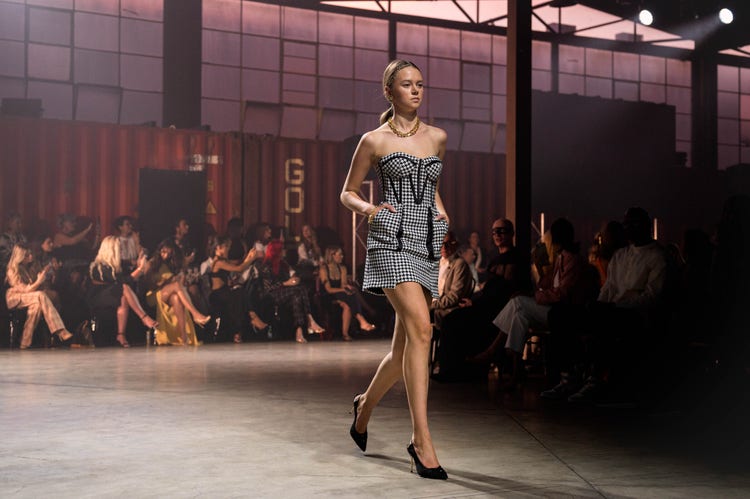
High Fashion: High fashion photography focuses on haute couture and luxury brands. The imagery is frequently avant-garde, employing dramatic locations, theatrical makeup, and exaggerated poses that celebrate the artistry of luxury garments.
-
Commercial and Catalog: Commercial imagery aims directly at sales conversion. These shoots prioritize garment clarity, accurate color reproduction, and straightforward lighting that highlights fit, texture, and construction details for retail websites and lookbooks.
-
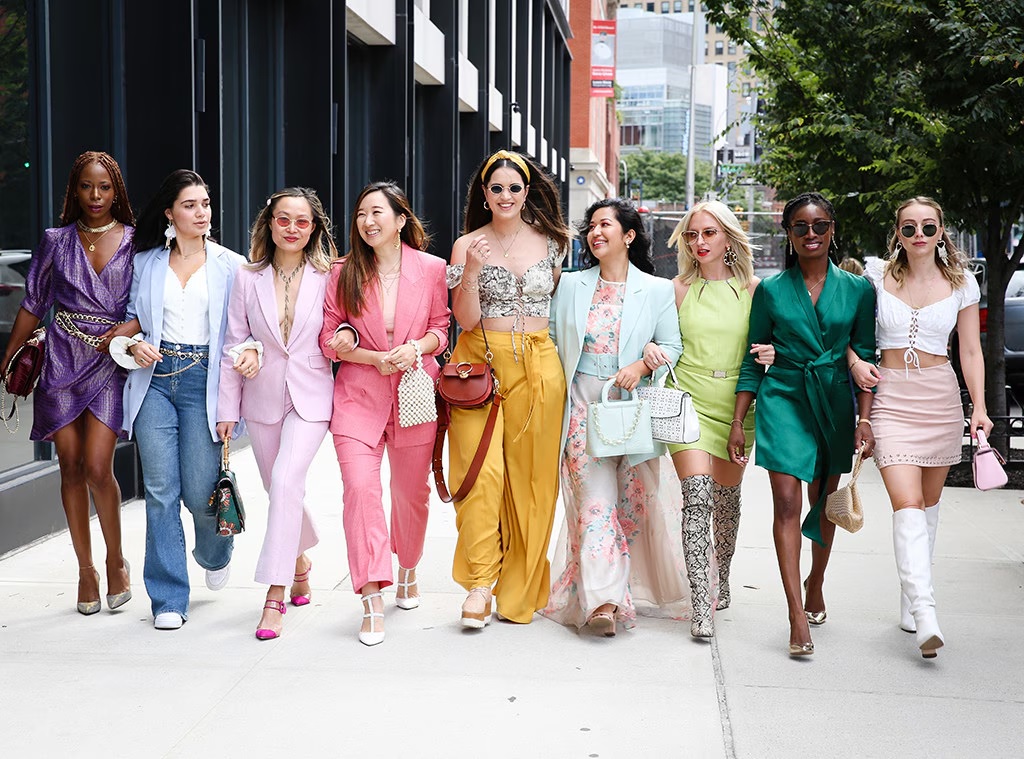
Street Style and Urban Fashion: Focusing on real-world style, street fashion photography captures models, influencers, and everyday fashion enthusiasts in natural urban environments. It relies on natural lighting, spontaneous poses, and ambient background activity.
Mastering Lighting for Texture, Form, and Mood
Lighting is the primary tool through which a photographer sculpts garments and conveys atmosphere. In fashion photography, the lighting setup must flatter the model while accentuating the specific fabrics on display.
-
Studio Lighting Setups: In controlled studio environments, key lights paired with large softboxes or octabanks create smooth, flattering skin tones. Adding strip lights, rim lights, and fill reflectors separates the model from the backdrop and defines the silhouette of dark fabrics.
-
Hard Light Versus Soft Light: Soft light minimizes skin imperfections and yields gentle transitions across delicate fabrics like silk or chiffon. Hard light, created using beauty dishes or direct parabolic reflectors, produces deep shadows, crisp edges, and punchy contrast, making it ideal for structured tailoring, leather, and athletic wear.
-
Working with Natural Ambient Light: Outdoor editorial shoots often utilize golden hour light for warmth and romantic softness, or direct midday sun paired with scrims and bounce cards for graphic, high-contrast fashion stories.
-
Highlighting Fabric Textures: Raking light across textured fabrics like tweed, knitwear, and velvet reveals the physical weave of the material, lending tactile realism to the photograph.
Camera Equipment, Lens Selection, and Technical Settings
While artistic vision guides the shoot, technical proficiency with hardware guarantees professional results. Choosing the appropriate lens and camera settings determines depth of field, proportion, and image sharpness.
-
Camera Systems: Medium-format systems and high-resolution full-frame cameras dominate high-end fashion shoots due to their superior color depth, dynamic range, and resolution for billboard or print reproduction.
-
Focal Length Dynamics: Prime lenses such as 50mm, 85mm, and 105mm are staples for portrait and three-quarter fashion crops because they render facial features and body proportions accurately without wide-angle distortion. A 70-200mm telephoto lens compresses perspective, isolating the subject from distracting backgrounds.
-
Shutter Speed and Aperture Controls: To freeze movement when a model spins or jumps, shutter speeds of 1/250s or faster are necessary. Apertures between f/5.6 and f/11 are typically chosen for commercial work to ensure both the garment and facial features remain sharply focused.
Creative Direction, Posing, and Collaboration
A fashion photograph is rarely the work of a single individual; it is the culmination of a collaborative team working under a unified artistic vision.
-
Building the Concept and Mood Board: Every shoot begins with visual research. Mood boards outlining color palettes, lighting styles, wardrobe references, and location ideas keep the entire team aligned.
-
The Creative Crew: A complete fashion crew includes the photographer, wardrobe stylist, hair stylist, makeup artist, lighting assistants, and digital tech. The wardrobe stylist ensures the clothes fit flawlessly through pinning, taping, and garment care.
-
Guiding Model Posing: Directing models requires clear, respectful, and energetic communication. Great fashion photographers guide dynamic movement rather than static poses, encouraging continuous micro-adjustments in weight, shoulder angles, and hand placement to showcase the lines of the clothing.
-
Composition and Negative Space: Intentional composition directs the viewer attention to focal garments or accessories. Leaving negative space in the frame allows for magazine text layout, typographic elements, and advertising copy.
Post-Processing and Color Grading
The creative workflow extends into the digital darkroom, where raw image files are refined into polished fashion imagery.
-
Color Management: Accurate color profiling is mandatory in commercial fashion. Using calibration targets like color checkers during the shoot ensures the final image matches the physical fabric dyes accurately.
-
High-End Retouching: Professional retouching focuses on frequency separation and dodge-and-burn techniques to even out skin tones, clean up stray hairs, and remove temporary garment wrinkles without stripping away natural skin texture or fabric character.
-
Color Grading for Mood: Subtle color toning in the highlights and shadows establishes the visual identity of an editorial campaign, evoking warmth, vintage film aesthetics, or sleek modern minimalism.
Developing a Signature Visual Style
Standing out in the competitive fashion photography industry requires developing a distinct artistic perspective. Photographers cultivate a signature style by experimenting with recurring lighting setups, exploring specific narrative themes, and consistently refining their aesthetic point of view. Through technical discipline and creative vision, fashion photography continues to set the visual rhythm for global culture and design.
Frequently Asked Questions
What is the role of a digital tech on a professional fashion shoot?
A digital tech manages the tethered computer station on set, ensuring that camera files transfer instantly and securely to calibrated monitors. They manage live color rendering, check focus and exposure in real time, back up image assets to redundant storage drives, and assist the photographer and creative director in making immediate image selections during the production.
How do photographers prevent color discrepancies between digital images and physical garments?
Photographers use standardized color calibration cards within the first frame of each lighting setup to set a custom white balance profile. They also perform regular monitor calibration using specialized colorimeters and embed standardized color spaces like Adobe RGB or sRGB into export files to ensure faithful fabric reproduction across digital displays and print media.
What are the main differences between a lookbook and a fashion campaign?
A lookbook is a straightforward commercial catalog designed for wholesale buyers and consumers, showing entire collections against clean, neutral backgrounds to display fit, cut, and details clearly. A fashion campaign is a high-concept marketing initiative focused on brand storytelling, featuring narrative locations, emotive lighting, and high-production concepts to build brand desire.
Why is tethered shooting preferred over shooting directly to memory cards in studio setups?
Tethered shooting allows the entire creative team, including clients, art directors, and stylists, to review large-format previews on an external screen instantly. This guarantees that small flaws like lint, misaligned seams, focus slips, or lighting inconsistencies are spotted and resolved immediately on set rather than during post-production.
How can an aspiring fashion photographer build a portfolio without commercial clients?
Emerging photographers can build their portfolios through test shoots, collaborating with new agency models, aspiring makeup artists, and independent wardrobe stylists under a shared-portfolio agreement. Creating self-directed editorial concepts and shooting personal projects allows photographers to demonstrate their lighting skills, styling instincts, and narrative range.
What is the importance of a call sheet in fashion production?
A call sheet is an operational document that outlines the daily schedule, location addresses, weather forecasts, creative personnel contact details, model assignments, and safety protocols for a shoot. It ensures that every member of the crew arrives on time and understands their specific responsibilities throughout the production day.
How does shooting on film differ conceptually from digital fashion photography?
Shooting on film requires deliberate pacing, rigorous light metering, and careful frame management due to limited exposures per roll. Many fashion photographers value film for its organic grain structure, natural skin rendering, highlight roll-off, and distinctive color chemistry, which can impart a timeless, tangible quality that is difficult to replicate with digital sensors alone.