Fashion: A Dynamic Blend of Art, Culture, and Innovation
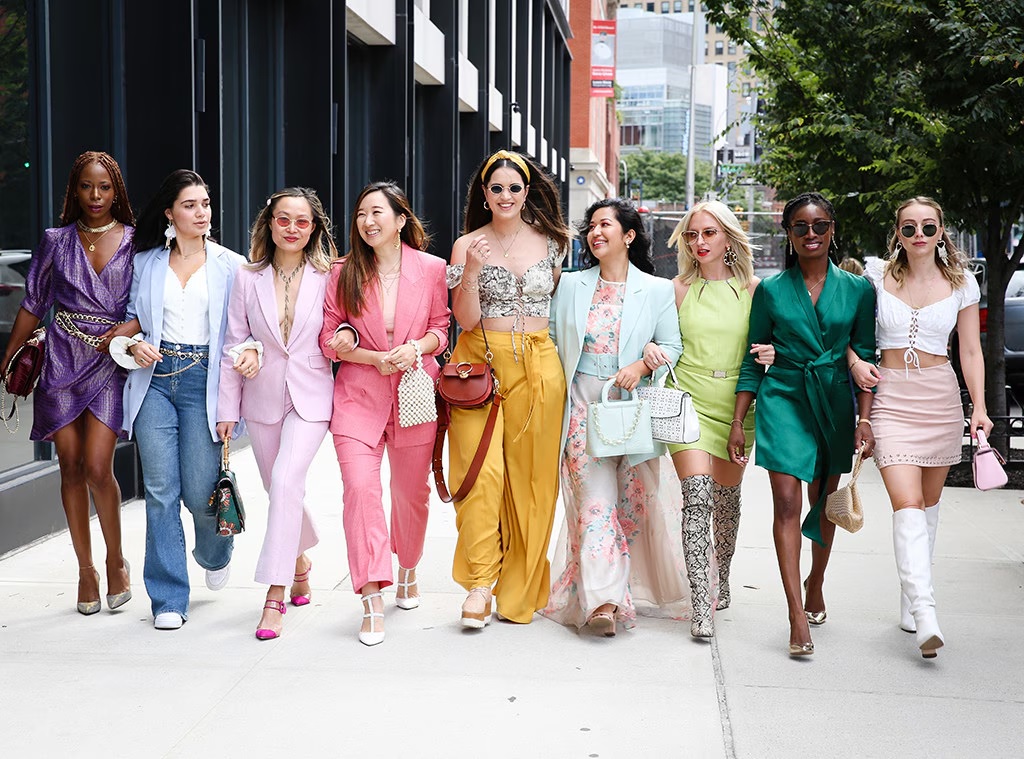
Fashion is more than clothing—it is a reflection of culture, identity, and societal trends. From haute couture runways in Paris to street style in Tokyo, fashion communicates personal expression and global influences. Over time, the fashion industry has transformed through innovation, technology, and sustainability, shaping not just how people dress but how they perceive style as an art form and cultural statement.
The Evolution of Fashion
Fashion has evolved alongside human civilization. In ancient societies, clothing indicated social status, occupation, and cultural affiliation. Egyptian pharaohs wore elaborate garments to symbolize power, while traditional Japanese kimonos represented artistry and heritage.
The Industrial Revolution introduced mass production, making fashion more accessible and democratizing style. In the 20th century, iconic designers such as Coco Chanel, Christian Dior, and Yves Saint Laurent revolutionized clothing, creating recognizable trends and haute couture that still influence modern design.
The digital age has further transformed fashion, introducing e-commerce, fast fashion, and social media influencers, making trends global and instantaneous. Today, fashion reflects not only aesthetics but also values, sustainability, and innovation.
Major Segments in the Fashion Industry
1. Haute Couture and Luxury Fashion
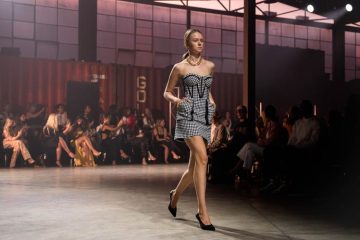
Haute couture represents the pinnacle of fashion design, characterized by custom-fitted, high-quality garments. Luxury brands like Gucci, Prada, and Louis Vuitton combine craftsmanship, creativity, and exclusivity, attracting global audiences and high-profile clientele. Fashion weeks in Paris, Milan, New York, and London showcase these collections, setting trends for the industry.
2. Ready-to-Wear and Fast Fashion
Ready-to-wear collections cater to wider audiences with off-the-rack designs. Brands like Zara, H&M, and Uniqlo combine affordability with trend-focused design, offering seasonal updates that reflect current styles. Fast fashion, while popular, faces criticism for environmental impact and labor practices, prompting brands to explore ethical alternatives.
3. Streetwear and Urban Fashion
Streetwear has grown from subcultural roots to mainstream influence, blending comfort with creativity. Sneakers, hoodies, graphic tees, and accessories from brands like Supreme, Off-White, and Nike have redefined casual fashion, appealing to younger demographics and bridging the gap between high fashion and everyday wear.
4. Sustainable and Ethical Fashion
Sustainability has become a critical focus, driven by environmental awareness and consumer demand. Eco-friendly materials, ethical production practices, and circular fashion models are reshaping industry standards. Brands like Stella McCartney and Patagonia lead in this space, promoting transparency, longevity, and responsible consumption.
5. Digital and Virtual Fashion
Technology is redefining fashion with digital designs, virtual try-ons, and fashion NFTs. Virtual fashion shows and augmented reality (AR) fitting rooms enhance online shopping experiences, while gaming platforms like Roblox and Fortnite showcase virtual clothing collaborations with real-world brands.
Current Fashion Trends
1. Minimalism and Functional Design
Clean lines, neutral tones, and practical designs are gaining popularity, emphasizing versatility and timeless style. Minimalist fashion prioritizes quality over quantity, encouraging sustainable wardrobe choices.
2. Bold Colors and Statement Pieces
Contrasting minimalism, vibrant colors, oversized silhouettes, and statement accessories dominate runway trends. Bold fashion allows personal expression and creativity while capturing attention in social media-driven culture.
3. Gender-Neutral Fashion
The rise of unisex clothing challenges traditional gender norms, with designers creating inclusive collections. Gender-neutral fashion focuses on comfort, functionality, and adaptability, reflecting broader societal shifts toward equality and acceptance.
4. Retro and Vintage Revival
Decades-inspired styles, from 70s flare pants to 90s crop tops, are experiencing a resurgence. Vintage fashion not only adds nostalgia but also promotes sustainable consumption through thrift shopping and upcycling.
5. Tech-Integrated Fashion
Wearable technology, smart fabrics, and 3D-printed clothing merge style with innovation. From temperature-regulating fabrics to integrated sensors, tech-fashion enhances functionality while pushing creative boundaries.
The Role of Fashion in Society
Fashion reflects and shapes cultural identity, influencing social norms and personal expression:
- Cultural Expression: Traditional attire and modern adaptations showcase heritage, artistry, and societal values.
- Economic Impact: Fashion drives global commerce, employment, and tourism, contributing significantly to national economies.
- Social Influence: Influencers, celebrities, and fashion media shape public perception, promoting trends and lifestyle ideals.
- Psychological and Emotional Connection: Fashion boosts confidence, fosters individuality, and creates a sense of belonging through shared style communities.
Technological Innovations Transforming Fashion
1. Artificial Intelligence (AI) and Predictive Analytics
AI helps designers forecast trends, optimize supply chains, and personalize customer experiences. Predictive analytics reduces waste and enhances product-market fit, supporting both sustainability and profitability.
2. Virtual and Augmented Reality (VR & AR)
Virtual fashion shows, 3D modeling, and AR fitting rooms enhance engagement and accessibility. Shoppers can visualize clothing digitally, making online shopping more interactive and reducing return rates.
3. 3D Printing and Smart Textiles
3D-printed garments allow complex designs, customization, and innovative material use. Smart textiles integrate sensors for functionality, such as monitoring health, regulating temperature, or adjusting shape.
4. Blockchain and NFTs
Blockchain ensures authenticity, traceability, and secure digital ownership in fashion. NFTs offer exclusive digital fashion items and collectibles, creating new opportunities for brand engagement and monetization.
5. Sustainable Production Technologies
Innovations in recycled fabrics, waterless dyeing, and eco-friendly manufacturing are reducing environmental impact. Circular fashion models and material innovations are reshaping industry standards.
Challenges Facing the Fashion Industry
1. Environmental and Ethical Concerns
Fast fashion contributes to pollution, waste, and unethical labor practices. Addressing these issues requires commitment to sustainability, ethical sourcing, and transparent supply chains.
2. Market Competition and Saturation
With global access to trends and e-commerce, the market is highly competitive. Brands must differentiate through design innovation, customer engagement, and strategic marketing.
3. Digital Disruption and Consumer Expectations
E-commerce, social media, and virtual fashion experiences demand constant adaptation. Consumers expect fast, convenient, and personalized experiences, challenging traditional retail models.
4. Counterfeit Products
Luxury fashion is particularly vulnerable to counterfeiting. Protecting brand integrity requires anti-counterfeit technologies, legal enforcement, and consumer education.
5. Global Supply Chain Vulnerabilities
Globalization exposes fashion to supply chain disruptions, from raw material shortages to geopolitical tensions. Agile logistics and diversified sourcing are essential for stability.
Tips for Personal Fashion Success
1. Identify Your Style
Understand personal preferences, body type, and lifestyle to create a cohesive wardrobe reflecting individuality.
2. Invest in Quality Staples
High-quality basics, such as jackets, jeans, and shoes, form the foundation of versatile and timeless outfits.
3. Experiment with Trends
Incorporate trendy elements thoughtfully to refresh your wardrobe without sacrificing personal identity or sustainability.
4. Embrace Sustainable Choices
Opt for ethically produced clothing, second-hand items, and long-lasting pieces to minimize environmental impact.
5. Utilize Technology
Use digital tools for style inspiration, virtual try-ons, and wardrobe management to enhance fashion decisions.
The Future of Fashion
Fashion continues to evolve, balancing creativity, technology, and responsibility:
- Sustainable Innovation: Eco-friendly materials, circular production, and green fashion technologies will shape future collections.
- Inclusive and Diverse Representation: Gender-neutral, multicultural, and body-positive fashion will continue expanding industry inclusivity.
- Digital and Virtual Expansion: Virtual runways, NFTs, and immersive shopping experiences will redefine consumer engagement.
- Smart and Functional Fashion: Wearable tech and adaptable designs will merge style with functionality.
- Global Collaborations: Cross-cultural partnerships will bring fresh perspectives, unique aesthetics, and broader market reach.
FAQs About Fashion
Q1: How is sustainability changing the fashion industry?
Sustainability drives eco-friendly materials, ethical production, and circular fashion models, reducing environmental impact and promoting long-term consumer responsibility.
Q2: What are the most influential fashion trends today?
Current trends include minimalism, gender-neutral clothing, retro styles, bold statement pieces, and tech-integrated fashion.
Q3: How does technology impact fashion design and retail?
AI, VR, AR, 3D printing, and digital platforms enhance design, personalization, virtual shopping, and trend prediction.
Q4: Why is streetwear so popular among younger consumers?
Streetwear combines comfort, creativity, and cultural relevance, appealing to youth identity, social media presence, and casual fashion needs.
Q5: What is the role of fashion weeks in the industry?
Fashion weeks showcase new collections, set global trends, connect designers with media and buyers, and generate brand visibility.
Q6: How do NFTs and digital fashion influence consumer engagement?
NFTs create unique digital fashion assets, promote exclusivity, and enable new revenue streams and interactive brand experiences.
Q7: Why is ethical production important in fashion?
Ethical production ensures fair labor practices
, protects worker rights, and fosters consumer trust, aligning with global social responsibility standards.
Fashion is a dynamic fusion of art, culture, and technology. From timeless couture to streetwear, sustainable innovations to digital revolutions, the industry continues to inspire, influence, and reflect global society. By embracing creativity, responsibility, and innovation, fashion remains a powerful medium for personal expression and cultural impact.