
5 Ways Missing Teeth Impact Oral Health, According to a Leading London Implant Dentist
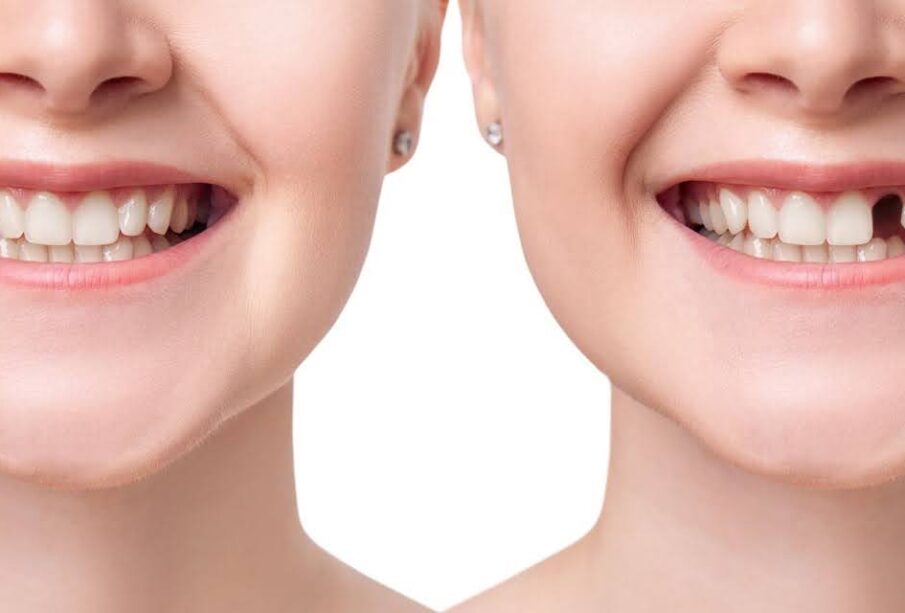
Missing teeth are often discussed in terms of appearance, but their impact on oral health runs much deeper. The reality is that gaps left by missing teeth can set off a chain of changes affecting bite function, jaw health, and even general wellbeing. Whether tooth loss results from decay, gum disease, trauma, or age-related factors, the consequences tend to progress quietly over time. Early intervention, including options such as dental implants London patients commonly consider for long-term stability, can help prevent these complications from becoming entrenched. Understanding how helps people make informed decisions rather than reactive ones.
A cosmetic dentist from MaryleboneSmileClinic notes that patients often underestimate the broader effects of tooth loss until secondary symptoms appear. “People usually come in because chewing feels uncomfortable or teeth have shifted, not realising these are linked to a missing tooth from years ago,” the dentist explains. “Clear information makes a difference, and patients are encouraged to visit this site or speak directly with a clinician to understand realistic treatment pathways before problems escalate.” This practical advice reflects a wider shift in dentistry towards prevention and early action rather than correction alone.
Bone Loss in the Jaw and Structural Changes
One of the most significant consequences of missing teeth is bone loss in the jaw. Teeth play a crucial role in maintaining bone density because the act of chewing stimulates the jawbone. When a tooth is lost, that stimulation disappears in the affected area, and the body gradually begins to reabsorb the unused bone. This process, known as resorption, can start within months and continue for years, subtly altering facial structure. Over time, the jaw may shrink, leading to a sunken appearance around the mouth and changes in how remaining teeth align.
These structural changes are not merely aesthetic. As the jawbone recedes, it can compromise the stability of neighbouring teeth, increasing their vulnerability to loosening or loss. This creates a cycle where one missing tooth raises the risk of further tooth loss. In practical terms, patients may notice dentures becoming less stable or bridges no longer fitting as expected, prompting repeated adjustments. Addressing tooth loss early helps preserve bone integrity and reduces the likelihood of more complex restorative work later.
In London practices, clinicians frequently see patients who delayed treatment and now require additional procedures to rebuild bone before replacement is possible. This highlights why tooth replacement is often framed as a preventive measure rather than a cosmetic upgrade. Maintaining jawbone health supports long-term oral function and helps keep future treatment options simpler and more predictable.
Shifting Teeth and Bite Imbalance
When a tooth is missing, the surrounding teeth do not remain static. Teeth naturally drift towards open spaces, and opposing teeth may over-erupt into the gap. This movement can disrupt the balance of the bite, leading to misalignment that affects how the upper and lower teeth meet. Over time, even small shifts can alter chewing efficiency and place uneven pressure on certain teeth, accelerating wear or increasing sensitivity.
Bite imbalance often develops gradually, which is why many people fail to connect jaw discomfort or headaches with an old extraction. As teeth move, the temporomandibular joint may also be affected, contributing to jaw pain, clicking, or stiffness. These symptoms are sometimes treated in isolation, without addressing the underlying cause of tooth loss. Restoring the gap can help stabilise the bite and reduce unnecessary strain on both teeth and joints.
From a functional perspective, a balanced bite allows forces to be distributed evenly during chewing. Without this balance, certain teeth bear more load than they are designed for, raising the likelihood of cracks or fractures. This can lead to additional dental interventions that might have been avoided with timely replacement. Maintaining proper spacing is therefore central to protecting the remaining natural teeth and ensuring long-term comfort.
Increased Risk of Gum Disease and Tooth Decay
Missing teeth can also increase the risk of gum disease and decay in adjacent teeth. Gaps create areas that are harder to clean effectively, allowing plaque and food debris to accumulate. Over time, this buildup irritates the gums, potentially leading to inflammation, bleeding, and periodontal disease. Once gum health is compromised, the supporting structures of the teeth weaken, making further tooth loss more likely.
Additionally, when teeth shift into gaps, they can create tight or awkward spaces that standard brushing and flossing struggle to reach. Even diligent oral hygiene routines may fall short under these conditions. As decay develops, it often progresses unnoticed until significant damage has occurred, requiring more invasive treatment. The presence of a missing tooth thus indirectly raises the maintenance burden for the rest of the mouth.
Dental professionals often emphasise that replacing missing teeth simplifies oral hygiene by restoring natural contours and spacing. When teeth are properly aligned, cleaning becomes more effective, and gums are easier to keep healthy. This preventive benefit is sometimes overlooked, but it plays a substantial role in preserving overall oral health and reducing the need for repeated restorative procedures.
Difficulties with Chewing, Digestion, and Nutrition
The ability to chew efficiently is essential not only for comfort but also for overall health. Missing teeth reduce chewing efficiency, particularly when molars are involved, as these teeth are responsible for grinding food. People may unconsciously adapt by chewing on one side of the mouth or avoiding certain foods altogether. While these adjustments may seem minor, they can lead to uneven muscle use and further bite problems over time.
Dietary choices are also affected. Individuals with missing teeth often gravitate towards softer, more processed foods that are easier to manage. This can reduce intake of fibre-rich fruits, vegetables, and proteins that require thorough chewing. Over time, nutritional balance may suffer, with knock-on effects on digestion and general wellbeing. In this sense, tooth loss extends beyond dentistry and into broader health considerations.
Restoring missing teeth helps re-establish normal chewing patterns, allowing people to eat a wider range of foods comfortably. This supports better nutrition and reduces the compensatory habits that strain the jaw and remaining teeth. The functional improvement is often immediate, reinforcing the idea that tooth replacement addresses everyday quality of life as much as long-term oral health.
Speech Changes and Social Confidence
Teeth play a key role in speech, helping to form certain sounds by controlling airflow and tongue placement. Missing teeth, especially at the front of the mouth, can subtly alter pronunciation, leading to lisping or difficulty articulating specific words. While some people adapt over time, these changes can still affect clarity and confidence, particularly in professional or social settings where communication is important.
Beyond speech mechanics, the psychological impact of missing teeth should not be underestimated. Concerns about appearance can lead individuals to smile less, avoid photographs, or feel self-conscious during conversations. This withdrawal can influence social interactions and self-esteem, even if the tooth loss is not immediately obvious to others. In a city like London, where professional presentation often matters, these effects can feel amplified.
Addressing missing teeth can restore not only function but also confidence. When speech feels natural and smiles feel comfortable, people tend to engage more openly. This improvement in self-assurance is frequently cited by patients as one of the most meaningful outcomes of treatment, underscoring that oral health is closely tied to emotional and social wellbeing.
Conclusion: Addressing Tooth Loss Early for Long-Term Oral Health
Missing teeth affect far more than appearance, influencing bone health, alignment, hygiene, nutrition, and confidence. These changes often develop slowly, making it easy to underestimate their significance until multiple issues overlap. Early assessment and appropriate replacement can interrupt this progression, preserving both oral function and overall comfort. In London, access to comprehensive dental care means solutions are available, but awareness remains the first step. By understanding the wider implications of tooth loss, individuals are better equipped to seek timely advice and protect their long-term oral health.