
The Truth About Disposable Vape Pods and Their Risks
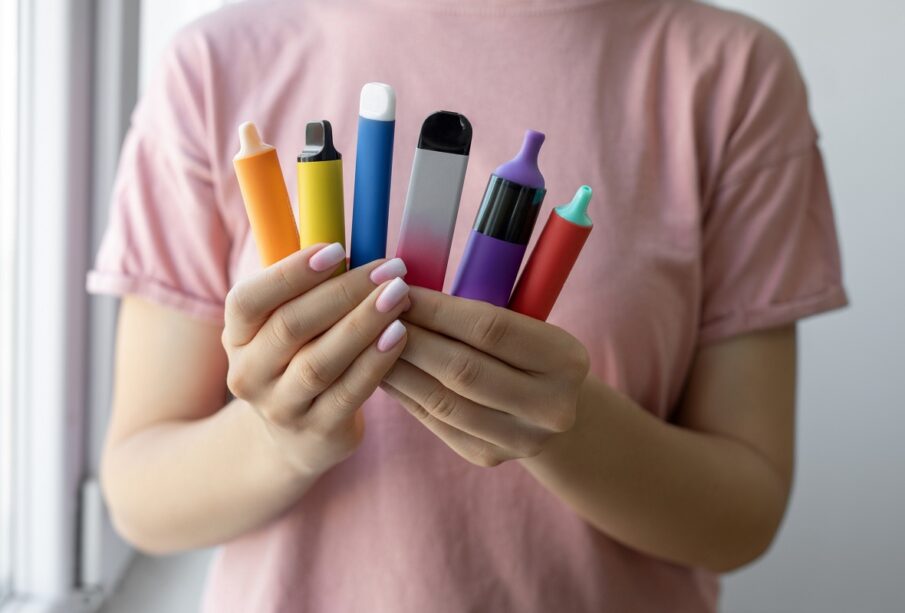
Walking down the streets of Bangkok or lounging on a beach in Phuket, you might notice something new littering the ground. Alongside plastic bags and bottles, colourful little devices are becoming a common sight. Disposable vape pods have surged in popularity across Thailand, often marketed as a convenient and trendy alternative to traditional cigarettes. However, beneath the sleek packaging and fruity flavours lies a complex web of health and environmental concerns that demand attention.
While many people view vaping as a safer option, the long-term effects remain largely unknown. These single-use devices contain lithium-ion batteries and heating elements that interact with e-liquid to produce vapour. The concern isn’t just about nicotine addiction, which remains a significant issue, but also about the chemical reactions happening inside the device. When the heating coil degrades or when the e-liquid runs low, users may inhale heavy metals and other harmful byproducts without realising it.
The environmental impact is equally alarming, especially in a country like Thailand that treasures its natural beauty. Because these devices are designed to be thrown away after a few days, they generate massive amounts of electronic waste. Used pods (known as พอตมือสอง in Thai) often end up in general waste bins or, worse, tossed onto the street or into waterways. They contain batteries, plastic, and residual chemicals that can leach into the soil and water, posing a threat to local ecosystems and wildlife.
Disposing of these items properly is a significant challenge. Unlike standard plastic waste, vapes are a mix of hazardous materials and electronics. In Thailand, where waste separation infrastructure is still developing in many areas, these complex little gadgets often end up in landfills. Once there, the lithium batteries can cause fires, and the chemicals can contaminate groundwater. This is a growing problem for municipal waste management systems that are already under pressure.
From a health perspective, the unregulated nature of the black market adds another layer of risk. Since vaping products occupy a legal grey area in Thailand, quality control is virtually non-existent. Users have no way of knowing exactly what is inside the liquid they are inhaling. Reports of lung injuries and respiratory issues associated with vaping have surfaced globally, and Thai health officials have raised similar warnings. The lack of standardisation means that one device might deliver a much higher dose of nicotine or toxic substances than another, even from the same batch.
Young people are particularly vulnerable. The bright colours and sweet scents make these products appealing to teenagers and young adults, potentially leading to a new generation addicted to nicotine. This addiction can affect brain development and lead to mood disorders. It also increases the likelihood of trying other substances later in life.
Understanding these risks is essential for making informed decisions. While the convenience is tempting, the cost to personal health and the Thai environment is steep. Recognising the dangers hidden within these disposable gadgets is the first step toward protecting yourself and the beautiful surroundings we all enjoy.