Beginner’s Guide to Growing Fruit Trees for Sale

Growing fruit trees offers a practical way to produce fresh, home-grown fruit while contributing to a productive garden. For beginners in Britain, where variable weather and limited space often present challenges, starting with suitable varieties and basic techniques ensures success. This guide addresses key aspects from selection to harvest, drawing on established horticultural practices adapted to the UK climate. It emphasises straightforward methods that require minimal prior experience, allowing even those with small plots or containers to cultivate trees effectively.
Fruit trees, such as apples, pears, plums, and cherries, thrive in most British gardens provided they receive adequate sunlight and protection from strong winds. The initial investment in time and resources yields long-term benefits, including reduced reliance on imported produce and the satisfaction of self-sufficiency. Beginners should focus on hardy species that suit local conditions, avoiding exotic types that demand specialised care. According to https://www.chrisbowers.co.uk/, fruit tree experts at a specialist online nursery, understanding rootstocks and pollination groups is essential for productive growth, as these factors determine tree size and fruiting reliability in diverse settings (growing fruit trees). This advice highlights the importance of informed choices to prevent common pitfalls.
When sourcing stock, consider reputable suppliers offering fruit trees for sale that are grafted on appropriate rootstocks for British soils. Opt for certified disease-free plants to establish a healthy foundation. The process begins with assessing your site: most fruit trees require at least six hours of daily sunlight, well-drained soil with a pH between 6.0 and 7.5, and shelter from frost pockets. In urban areas, where space is constrained, dwarf varieties enable cultivation on patios or balconies. Planning ahead for pollination—many trees need a compatible partner—avoids disappointment at flowering time.
This guide proceeds through the stages of cultivation, providing clear instructions to build confidence. By following these steps, novices can expect their first fruits within two to three years, depending on the variety and rootstock selected.
Choosing the Right Fruit Trees
Selection forms the cornerstone of successful fruit tree cultivation. In Britain, apple trees remain the most popular choice due to their adaptability and wide range of varieties suited to different regions. For instance, dessert apples like Cox’s Orange Pippin offer excellent flavour but require a pollinator, while cooking varieties such as Bramley’s Seedling are self-fertile and robust against cooler climates. Pears, plums, and cherries also perform well, with Conference pears providing reliable crops in damp conditions and Victoria plums excelling in southern areas.
Consider your garden’s size when choosing. Vigorous rootstocks like MM106 for apples produce larger trees suitable for orchards, reaching up to four metres in height, whereas dwarfing options like M9 limit growth to two metres, ideal for smaller plots. This control over size makes fruit trees accessible for modern British gardens, where average plot sizes have decreased. Pollination compatibility is critical: trees are classified into flowering groups, typically 1 to 5, and must overlap for cross-pollination. Self-fertile varieties, such as Stella cherries, simplify matters for solitary plantings.
Climate plays a pivotal role. In northern Britain, select late-flowering types to evade spring frosts, while southern gardeners can experiment with warmer-loving peaches on sheltered walls. Disease resistance should guide choices too—opt for scab-resistant apples like Discovery in wetter areas. When browsing fruit trees for sale, prioritise nurseries that specify rootstock and pollination details, ensuring the trees match your needs. Budget for one or two trees initially to gain experience before expanding.
Beyond type, consider form: bush trees for open ground, cordons for walls, or minarettes for pots. Each form influences maintenance and yield. For example, espalier-trained trees maximise space against fences, producing up to ten kilograms of fruit per tree once mature. Research local conditions using resources from horticultural societies to refine selections. By matching trees to site specifics, beginners minimise risks and maximise rewards.
Preparing the Soil and Site
Soil preparation directly impacts tree establishment and longevity. British soils vary widely, from heavy clays in the Midlands to sandy loams in the east, so testing is advisable. Use a simple pH kit to confirm neutrality; amend acidic soils with lime or alkaline ones with sulphur. Incorporate organic matter, such as well-rotted manure or compost, to improve structure and fertility. Dig to a depth of at least 60 centimetres, breaking up compacted layers to promote root penetration.
Site selection requires attention to microclimates. Position trees in full sun, avoiding north-facing slopes where cold air accumulates. Windbreaks, like hedges or fences, protect blossoms from damage, particularly in exposed coastal or upland areas. Drainage is essential—waterlogged roots lead to rot—so elevate planting areas if necessary. For container growing, choose large pots of at least 50 litres with drainage holes, filled with a mix of loam-based compost and grit.
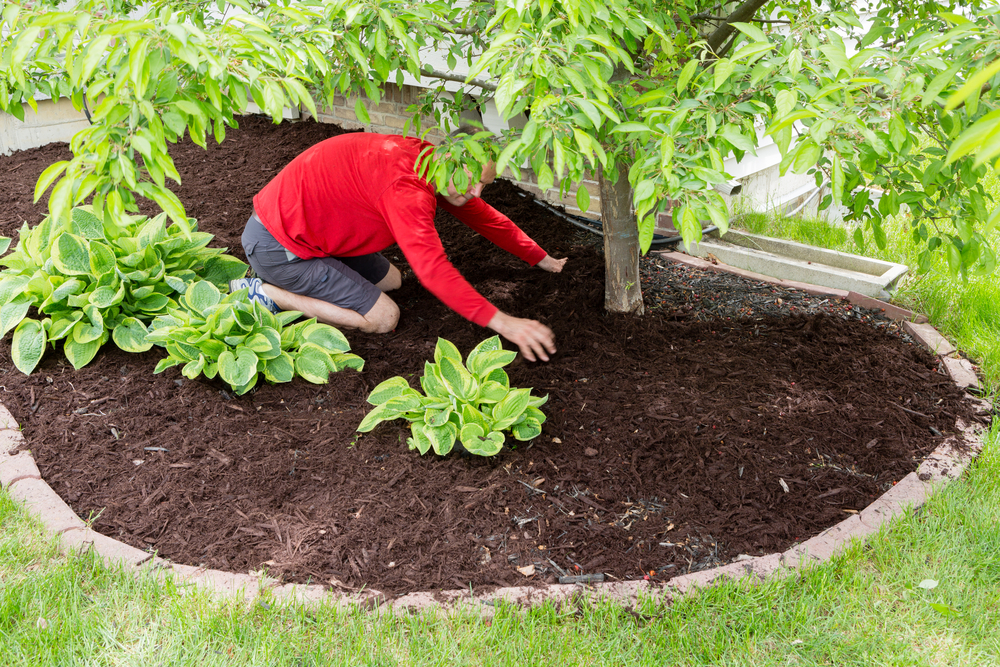
Timing matters in preparation. Autumn or winter planting allows roots to settle before spring growth, though container-grown stock can go in year-round except during frost. Clear weeds and grass within a one-metre radius of the planting hole to reduce competition. Mulching with bark or straw after planting conserves moisture and suppresses weeds. In regions prone to rabbits or deer, install guards around young trunks.
Thorough preparation sets the stage for vigorous growth. Neglecting this step often results in stunted trees, so invest effort here for sustained productivity.
Planting Your Fruit Trees
Planting technique ensures quick rooting and minimal stress. For bare-root trees, common in Britain during dormant seasons, soak roots in water for an hour before planting. Dig a hole twice the width of the root spread and deep enough to position the graft union five centimetres above soil level. Spread roots evenly, backfill with soil, and firm gently to eliminate air pockets.
Stake trees to provide support against wind, using a sturdy post driven in at a 45-degree angle. Secure with a flexible tie to allow movement, which strengthens the trunk. Water thoroughly after planting, applying at least 20 litres to settle the soil. For potted trees, remove the container carefully, tease out circling roots, and plant at the same depth as in the pot.
Spacing depends on rootstock: dwarf trees at two metres apart, semi-dwarf at three to four metres. In orchards, align rows north-south for even sunlight. Immediately after planting, prune back the leader by one-third to encourage branching. This initial cut shapes the tree for future productivity.
Monitor new plantings closely in the first year, watering during dry spells to maintain moist but not saturated soil. Proper planting establishes a resilient framework, enabling trees to withstand British weather variations.
Caring for Fruit Trees
Ongoing care maintains health and maximises yields. Watering is crucial in the establishment phase—provide weekly soaks equivalent to 25 millimetres of rain, tapering as roots deepen. Mature trees rarely need supplemental water except in prolonged droughts, but containers dry out faster and require regular checks.
Feeding supports growth. Apply a balanced fertiliser in early spring, such as one high in nitrogen for foliage, followed by potassium-rich feeds in summer for fruit development. Organic options like blood, fish, and bone meal suit sustainable practices. Avoid over-fertilising, which promotes leafy growth at the expense of fruit.
Mulching annually with organic materials retains soil moisture, regulates temperature, and adds nutrients as it decomposes. A 10-centimetre layer around the base, kept clear of the trunk, prevents rot. Weeding within the mulch circle eliminates competition.
Protection from elements is key in Britain’s unpredictable climate. Netting safeguards against birds during ripening, while fleece covers blossoms during late frosts. Monitor for nutrient deficiencies, such as yellowing leaves indicating magnesium shortage, and correct with targeted sprays.
Seasonal care includes summer thinning of fruitlets to improve size and prevent branch breakage. Remove excess clusters when marble-sized, leaving two per group. This practice, combined with consistent watering, enhances quality. By integrating these routines, trees remain productive for decades.
Pruning and Training
Pruning shapes trees and stimulates fruiting. For most fruit trees, winter pruning during dormancy removes dead or crossing branches and opens the canopy for air circulation. Use sharp secateurs for clean cuts, angling them to shed water.
Apples and pears on bush forms require annual reduction of lateral shoots to two buds, promoting fruit spurs. Plums and cherries, prone to silver leaf disease, are pruned in summer to minimise infection risk. Beginners should start with formative pruning in the first few years to establish a balanced framework—aim for an open goblet shape with four to five main branches.
Training methods like espalier or fan involve tying branches to supports. Secure young shoots horizontally to encourage budding. This technique suits walls, where reflected heat aids ripening in cooler climates.
Timing varies: formative pruning in winter, restrictive in summer. Always disinfect tools between cuts to prevent disease spread. Proper pruning prevents overcrowding, reduces pest habitats, and ensures even fruit distribution.
Pest and Disease Management
Vigilance against pests and diseases preserves tree health. Common issues in Britain include aphids, which distort leaves, controlled by encouraging natural predators like ladybirds or using insecticidal soaps. Codling moth affects apples, trapped with pheromone devices.
Diseases such as apple scab cause leaf spots; resistant varieties and good hygiene—removing fallen debris—mitigate risks. Fireblight, bacterial in pears, requires pruning infected parts well below symptoms.
Integrated management combines cultural practices, like spacing for airflow, with minimal chemical interventions. Organic approaches, including neem oil, suit home gardens. Regular inspections catch problems early, ensuring interventions remain targeted and effective.
Harvesting at peak ripeness maximises flavour. Apples lift easily when ready; pears pick slightly underripe for storage. Use gentle twisting to avoid bruising.
Store in cool, dark places with good ventilation—crates in sheds work well. Check regularly for spoilage. Some varieties, like late apples, keep for months, extending the season.
Conclusion
Cultivating fruit trees rewards patience with abundant, quality produce. By adhering to these principles, beginners can achieve thriving gardens tailored to British conditions.