
3 Simple Mulches That Trees Love
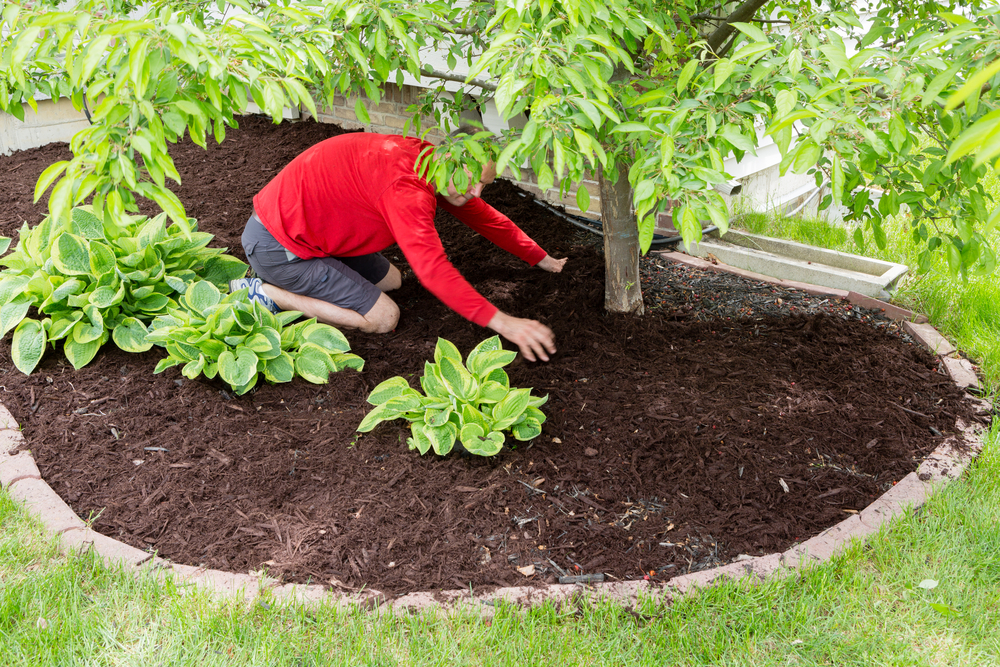
Mulching is a fundamental practice in gardening that significantly enhances the health and productivity of fruit trees. By applying a layer of material around the base of trees, gardeners can conserve soil moisture, suppress weeds, regulate soil temperature, and enrich the soil with nutrients. For fruit trees, which require consistent care to produce bountiful harvests, choosing the right mulch is critical. This article explores three simple, effective mulches that fruit trees thrive on: organic compost, wood chips, and straw. These options are accessible, practical, and tailored to support the long-term vitality of fruit trees in British gardens. Additionally, insights from a nursery specialist at CRJ Fruit Trees provide expert guidance on mulch application to ensure optimal results.
The nursery specialist that can be found here advises, “Selecting the appropriate mulch is essential for nurturing healthy fruit trees. Applying a 5-10 cm layer of organic mulch around the tree’s base, while keeping it clear of the trunk, promotes moisture retention and soil health, particularly for young trees. Always choose materials that decompose naturally to enrich the soil over time.” This professional advice underscores the importance of mulching as part of routine care when you buy fruit trees, setting the foundation for robust growth and abundant yields.
Why Mulching Matters for Fruit Trees
Fruit trees, such as apple, plum, and pear varieties, demand specific conditions to flourish in the UK’s varied climate. Mulching addresses several challenges faced by gardeners, from unpredictable weather to nutrient-deficient soils. By creating a protective barrier over the soil, mulch reduces water evaporation, which is particularly beneficial during dry spells common in southern England. It also insulates roots against temperature fluctuations, a frequent issue in the British spring and autumn. Furthermore, mulching suppresses weeds that compete with trees for nutrients and water, reducing the need for manual weeding or chemical interventions.
The decomposition of organic mulches adds vital nutrients to the soil, fostering a thriving ecosystem of microorganisms that support tree health. For gardeners looking to buy fruit trees, understanding the role of mulch can make the difference between a struggling sapling and a productive orchard. The three mulches discussed—organic compost, wood chips, and straw—are chosen for their affordability, availability, and proven benefits in fruit tree cultivation.
Organic Compost: A Nutrient-Rich Foundation
Organic compost is a powerhouse mulch that delivers both immediate and long-term benefits to fruit trees. Composed of decomposed plant matter, kitchen scraps, and other organic materials, compost is rich in nutrients like nitrogen, phosphorus, and potassium, which are essential for tree growth. When applied as a mulch, it not only protects the soil but also gradually releases these nutrients, acting as a natural fertiliser.
To use compost effectively, spread a 5-8 cm layer around the base of the tree, ensuring it extends to the drip line—the area directly beneath the outer edge of the canopy. Avoid piling compost against the trunk, as this can lead to rot or pest issues. In the UK, where heavy rainfall can leach nutrients from the soil, compost helps maintain fertility, particularly for nutrient-hungry trees like apples and cherries. Gardeners can source compost from their own compost bins or purchase high-quality options from local garden centres.
One key advantage of compost is its ability to improve soil structure. In clay-heavy soils, common in parts of the Midlands, compost enhances drainage, preventing waterlogging that can harm tree roots. In sandy soils, prevalent in East Anglia, it increases water retention, ensuring trees remain hydrated during dry periods. For those who buy fruit trees online, such as from specialist nurseries, applying compost as a mulch can provide young trees with a strong start, supporting root establishment in the critical first years.
Compost also fosters beneficial microbial activity, which breaks down organic matter into forms that tree roots can readily absorb. This process is particularly valuable for fruit trees, as it supports consistent growth and fruit production. However, gardeners should ensure the compost is well-matured to avoid introducing pathogens or excessive nitrogen, which can burn roots. Regular replenishment every spring ensures a steady nutrient supply, making compost an ideal choice for both novice and experienced gardeners.
Wood Chips: A Durable, Low-Maintenance Option
Wood chips are another excellent mulch for fruit trees, valued for their durability and aesthetic appeal. Derived from chipped branches, bark, or timber, wood chips create a robust barrier that suppresses weeds and retains soil moisture. Their slow decomposition rate makes them a low-maintenance choice, ideal for gardeners who want to minimise upkeep while still supporting tree health.
When applying wood chips, aim for a 7-10 cm layer, again keeping the mulch a few centimetres away from the trunk to prevent moisture buildup. Wood chips are particularly effective for larger orchards or garden settings where trees like plums or pears are grown, as they provide long-lasting coverage. In the UK, where windy conditions can dry out soil, wood chips help stabilise moisture levels, reducing the need for frequent watering.
A significant benefit of wood chips is their ability to regulate soil temperature. In the chilly winters of northern England or Scotland, they insulate roots against frost, while in warmer southern regions, they keep soil cool during summer heatwaves. This temperature moderation is crucial for fruit trees, which can suffer stress from extreme fluctuations. For gardeners planning to buy fruit trees, such as dwarf varieties for smaller spaces, wood chips offer a practical solution that enhances both tree health and garden aesthetics.
Sourcing wood chips is straightforward, as they are often available from local arborists or garden suppliers. Some councils even provide free or low-cost chips from tree maintenance programs. However, gardeners should avoid using fresh wood chips, as they can temporarily deplete soil nitrogen as they decompose. Allowing chips to age for a few months or mixing them with compost can mitigate this issue, ensuring trees receive adequate nutrients.
Wood chips also contribute to weed control, a persistent challenge in fruit tree care. By blocking sunlight, they prevent weed germination, reducing competition for water and nutrients. Over time, as wood chips break down, they enrich the soil with organic matter, though at a slower rate than compost. This makes them a sustainable choice for long-term orchard management, particularly for trees like apples, which thrive in stable, nutrient-rich environments.
Straw: A Lightweight, Protective Layer
Straw is a lightweight, cost-effective mulch that offers unique benefits for fruit trees, particularly in smaller gardens or container-grown varieties. Made from dried stalks of cereal crops like wheat or barley, straw is widely available and easy to apply. Its loose, airy structure allows water to penetrate while providing a protective layer that conserves moisture and deters weeds.
To mulch with straw, spread a 10-15 cm layer around the tree’s base, extending to the drip line. As with other mulches, keep it clear of the trunk to avoid trapping moisture, which can lead to fungal issues. Straw is particularly useful for young fruit trees, such as those recently purchased from a nursery, as it creates a nurturing environment for developing roots. For gardeners who buy fruit trees online, straw can be an accessible starting point for mulching, requiring minimal preparation.
One of straw’s standout features is its ability to protect soil from erosion, a common issue in hilly or exposed UK gardens. During heavy rains, straw absorbs water and prevents runoff, ensuring nutrients remain available to tree roots. It also provides insulation, shielding roots from frost in colder regions like the Scottish Highlands while keeping soil cool in warmer areas like the South East.
Straw’s light colour reflects sunlight, which can benefit fruit trees by reducing soil overheating in summer. This is particularly advantageous for heat-sensitive varieties like cherries or apricots. Additionally, straw breaks down relatively quickly, adding organic matter to the soil within a season. Gardeners should replenish straw annually and monitor for slugs, which can be attracted to its moist environment. Using straw in combination with other pest control measures, such as copper tape around tree trunks, can mitigate this risk.
For container-grown trees, such as dwarf pears or cherries, straw is an excellent choice due to its lightweight nature. It reduces evaporation from pots, which can dry out quickly, and adds a tidy, rustic look to patios or small gardens. Straw’s affordability makes it an attractive option for gardeners establishing new trees, allowing them to invest in quality stock when they buy fruit trees without overspending on maintenance materials.
Choosing the Right Mulch for Your Garden
Selecting the appropriate mulch depends on your garden’s specific conditions, the type of fruit trees you grow, and your maintenance preferences. Organic compost is ideal for nutrient-poor soils or young trees needing a growth boost. Wood chips suit larger orchards or gardeners seeking a low-maintenance, long-lasting solution. Straw is perfect for smaller spaces, container trees, or areas prone to erosion. In many cases, combining mulches—such as a base layer of compost topped with wood chips—can maximise benefits, providing both immediate nutrients and sustained coverage.
Consider your local climate and soil type when choosing a mulch. In wetter regions like Wales, where waterlogging is a concern, wood chips or straw can improve drainage when paired with well-prepared soil. In drier areas like East Anglia, compost’s water-retention properties are particularly valuable. For gardeners in urban settings or with limited space, straw or compost can enhance container-grown trees, making them a practical choice for patios or balconies.
When planning to buy fruit trees, factor in mulching as part of your care routine. Nurseries like often offer a wide range of varieties, from apple to quince, and provide guidance on soil preparation and maintenance. Their expertise highlights the importance of tailoring mulch choices to the specific needs of your trees, ensuring they thrive in the UK’s diverse growing conditions.
Practical Tips for Mulching Fruit Trees
To maximise the benefits of mulching, follow a few key practices. Always apply mulch in spring or early autumn, when trees are actively growing or preparing for dormancy. Clear the area of weeds and grass before mulching to reduce competition. Maintain a mulch-free zone of about 5 cm around the tree trunk to prevent rot and discourage pests like rodents. Replenish mulch annually, as organic materials break down over time, and monitor soil moisture to avoid overwatering, especially with dense mulches like wood chips.
Check the mulch regularly for signs of compaction or fungal growth, particularly in humid conditions. If using straw, ensure it is free of weed seeds to avoid introducing unwanted plants. For compost, test its quality by ensuring it is dark, crumbly, and free of foul odours, indicating proper decomposition. When sourcing materials, opt for sustainable options, such as locally produced compost or wood chips from tree surgeons, to minimise environmental impact.
Mulching also complements other care practices, such as pruning and fertilising. For example, applying compost mulch after winter pruning can support new growth in apple trees, while straw can protect young cherry trees from frost damage. By integrating mulching into a holistic care plan, gardeners can create a thriving environment for their fruit trees, ensuring years of healthy harvests.
Long-Term Benefits of Mulching
The long-term advantages of mulching extend beyond immediate tree health. Consistent mulching improves soil structure, increasing its ability to support robust root systems. This is particularly important for fruit trees, which rely on strong roots to access water and nutrients during fruit production. Over time, mulched trees exhibit better resilience to drought, frost, and pests, reducing the need for costly interventions.
Mulching also enhances the aesthetic appeal of gardens, creating a neat, uniform look around tree bases. For UK gardeners, this can elevate the visual charm of traditional orchards or modern patios. Additionally, mulching reduces the environmental footprint of gardening by minimising water use, chemical weed control, and soil degradation. For those who buy fruit trees as a long-term investment, mulching ensures that their trees remain productive and healthy for decades.
Conclusion
Mulching with organic compost, wood chips, or straw offers a simple, effective way to support the health and productivity of fruit trees in British gardens. Each mulch type provides unique benefits, from nutrient enrichment to weed suppression and moisture retention, tailored to the needs of trees like apples, plums, and cherries. By following expert advice and applying mulch correctly, gardeners can create optimal growing conditions. Whether you’re establishing a new orchard or nurturing a single patio tree, these mulches will help your fruit trees thrive, delivering bountiful harvests and lasting beauty to your garden.