The Deep Loyalty Between Protection Dogs and Their Owners
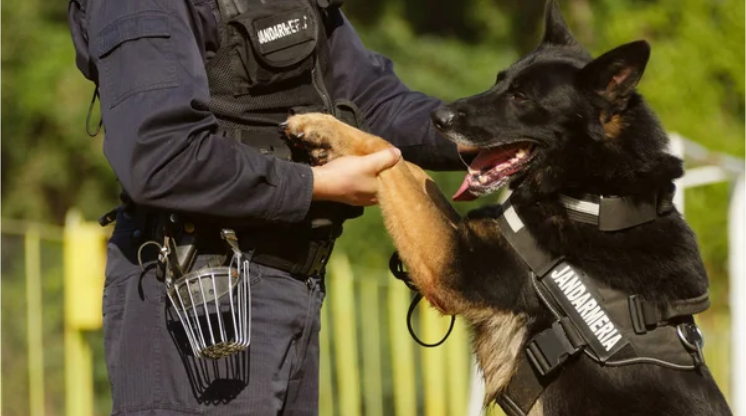
All dogs are capable of forming bonds with their owners, but the connection between protection dogs and their handlers is often much deeper. These dogs undergo specialized training that not only teaches them to protect but also fosters a unique sense of loyalty and responsibility toward their human companions. Unlike other dogs, protection dogs are trained to assess situations, make decisions in the face of danger, and act on behalf of their owners when necessary.
This training doesn’t just create a disciplined dog—it creates a dog that sees its owner as the center of its world. Protection dogs are trained to be vigilant, aware, and, most importantly, protective of the person they consider their pack leader. This level of loyalty stems from a deep-seated need to protect the family or individual they are bonded to, making them invaluable in high-stress or dangerous situations.
The connection that forms during training is rooted in trust. Protection dogs on sale must trust their handler completely, and that trust is reciprocated by the owner. The dog is not only a tool for protection but also a trusted partner in keeping the family safe. This mutual dependence is at the heart of the loyalty that defines the relationship.
How the Loyalty Bond Develops
The loyalty bond between a protection dog and its owner doesn’t happen overnight. It is developed through consistent interaction, trust-building, and mutual respect. One of the key components of this bond is time—protection dogs need to spend significant time with their owners to fully understand them and their environment. The more time spent together, the more intuitive the dog becomes in responding to its owner’s needs.
Training plays a pivotal role in developing this bond. Protection dogs go through rigorous training programs where they learn to follow commands, recognize threats, and act appropriately in various situations. However, the most important part of their training involves building trust with their owner. The dog learns to trust that its owner will guide and protect it, just as the owner trusts the dog to do the same in return.
Positive reinforcement is essential in this process. During training, the dog is rewarded for following commands and exhibiting protective behavior. This reinforcement strengthens the bond, as the dog begins to associate its actions with positive outcomes and praise from its owner. Over time, this builds a foundation of trust and loyalty that is difficult to break.
According to one professional dog trainer from Total K9, “The bond between a protection dog and its owner is built on mutual respect and consistency. These dogs are not just trained to respond to commands; they are trained to understand and protect the person they are bonded to. That’s what makes their loyalty so powerful.”
Loyalty Beyond Training: Emotional Connection
While training is a critical component in developing the loyalty bond, the emotional connection between a protection dog and its owner is equally important. These dogs are not robots that follow commands without thought or feeling—they are intelligent, empathetic animals capable of forming deep emotional attachments to the people they protect.
This emotional connection is often what makes protection dogs so effective in their role. They don’t just protect out of duty; they protect because they care deeply about their owner’s safety and well-being. This connection can be seen in their behavior—they are often attuned to their owner’s emotional state, offering comfort in times of stress or anxiety and remaining by their side through difficult situations.
For individuals who may feel vulnerable or anxious, the emotional support provided by a protection dog can be invaluable. The dog’s presence offers reassurance, not only because of its protective abilities but also because of the bond that has been formed. Knowing that the dog is constantly aware and ready to act brings peace of mind that few other forms of security can provide.
Trust: The Foundation of the Loyalty Bond
Trust is the cornerstone of the loyalty bond between a protection dog and its owner. For the dog, this trust is built through consistent training, clear communication, and positive reinforcement. The dog learns to trust that its owner will provide for its needs, guide it through new situations, and reward it for doing its job well.
For the owner, the trust goes both ways. They must trust that the dog will act appropriately in stressful or dangerous situations, and that the dog will make the right decisions when needed. This trust is developed over time, as the owner sees the dog’s loyalty and intelligence in action.
Unlike other forms of protection, where the owner may rely on technology or other people to ensure their safety, a protection dog offers something unique: the ability to react in real-time to potential threats. The dog’s loyalty ensures that it will put itself in harm’s way to protect its owner without hesitation. This level of commitment creates a deep sense of trust that is rare and invaluable.
The Role of Daily Life in Strengthening the Bond
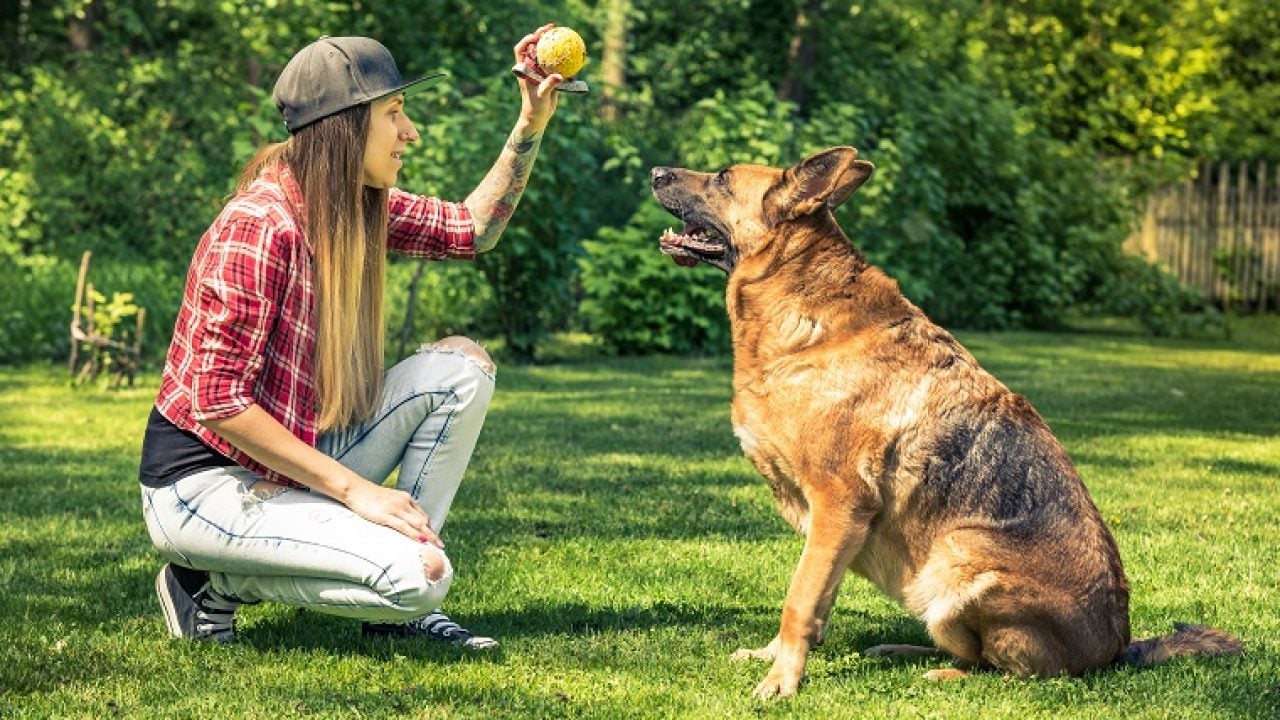
The loyalty bond between a protection dog and its owner is not only forged during formal training sessions. Everyday interactions play a significant role in strengthening this connection. Simple activities like going for walks, playing in the garden, or even lounging around the house help reinforce the bond between the dog and its owner.
Protection dogs are highly intelligent animals that thrive on routine and structure. They look to their owners for guidance and respond best when they are given clear, consistent expectations. Daily life provides opportunities for the dog to continue learning about its owner’s habits, preferences, and environment. The more familiar the dog becomes with these things, the more effective it will be in its role as a protector.
This daily interaction also provides time for emotional bonding. Protection dogs are just as capable of showing affection as they are of showing strength. They often seek out physical closeness with their owners, whether through leaning against them or lying by their feet. These moments of connection build emotional intimacy, making the dog more than just a guardian—it becomes a true companion.
Real-Life Examples of Loyalty in Action
There are countless stories of protection dogs demonstrating incredible loyalty to their owners, often going to great lengths to keep them safe. In many cases, these dogs have acted heroically in life-threatening situations, placing themselves between their owner and danger without hesitation.
One well-known example involves a protection dog that successfully defended its owner during an attempted home invasion. The dog, sensing the intruder’s intentions, placed itself between the owner and the attacker, preventing the situation from escalating. The intruder, intimidated by the dog’s presence and protective behavior, fled the scene before any harm could be done. The owner later credited the dog’s loyalty and quick thinking with saving their life.
These real-life examples highlight the unique nature of the loyalty bond that exists between protection dogs and their owners. It’s not just about training—it’s about a deep emotional connection that drives the dog to protect at all costs.
Why the Loyalty Bond Matters in Modern Society
In today’s world, where personal safety is often a concern, the loyalty bond between protection dogs and their owners has never been more important. Unlike other forms of security, which may be passive or reactive, protection dogs offer a proactive and personal level of protection. Their loyalty ensures that they are constantly alert, ready to act when needed, and fully invested in their owner’s safety.
This loyalty is not just about physical protection—it’s also about emotional security. For many people, especially those who live alone or feel vulnerable, the presence of a loyal protection dog can bring a profound sense of comfort and reassurance. The dog’s loyalty provides a sense of safety that goes beyond alarms and cameras—it is a living, breathing source of protection that cannot be replicated by technology.
Conclusion: A Bond Like No Other
The loyalty bond between protection dogs and their owners is one of the most unique and powerful relationships in the world of animal companionship. It is a bond built on trust, emotional connection, and a shared sense of responsibility. For those who choose to bring a protection dog into their lives, the rewards are immeasurable.
These dogs are not just guardians—they are loyal companions who dedicate themselves fully to the safety and well-being of their owners. Through training, daily interaction, and emotional connection, this bond grows stronger over time, creating a partnership that is both unbreakable and irreplaceable.