Essential Communication Skills Every Student Needs
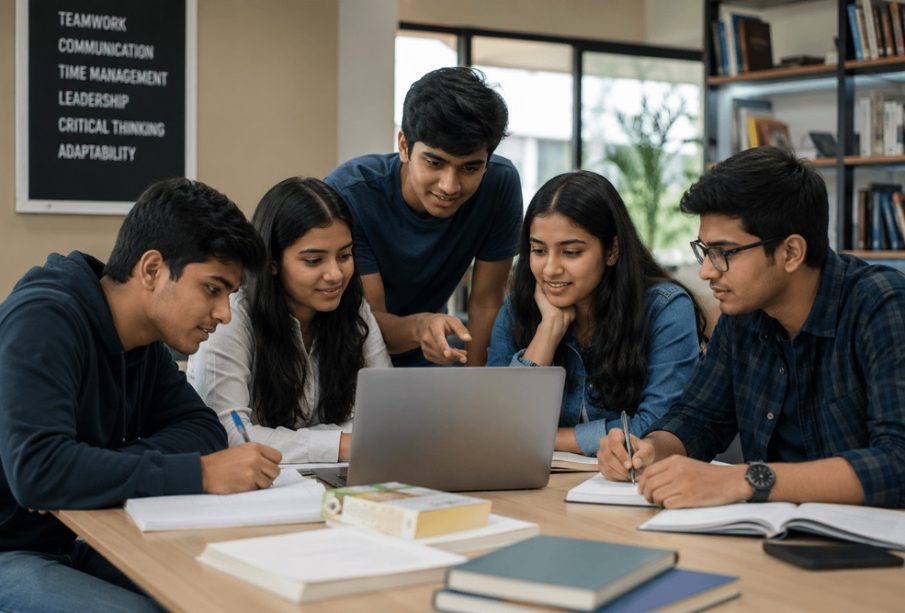
Academic success relies on far more than test scores, technical knowledge, and raw intellect. While mastering specific subject matter is vital, the ability to articulate ideas clearly, listen intently, collaborate effectively, and adapt to different social environments shapes long-term achievement. Communication serves as the bridge between learning a concept and demonstrating its value in the real world.
Whether giving a class presentation, writing a research paper, navigating group project dynamics, or interviewing for an internship, students constantly encounter scenarios that demand strong interpersonal and expressive capabilities. Developing these skills early equips students to excel in school, build lasting professional networks, and transition smoothly into competitive workplaces.
The Foundation of Active Listening
Communication is often mistaken for merely speaking well, yet listening forms the true foundation of meaningful interaction. Active listening requires full mental engagement rather than passively hearing words while waiting for a turn to speak.
-
Focus and Presence: Giving undivided attention to professors, group partners, and mentors allows students to absorb complex instructions and avoid costly misunderstandings. Minimizing digital distractions during lectures and study sessions dramatically enhances information retention.
-
Nonverbal Feedback: Maintaining eye contact, nodding, and leaning forward slightly demonstrate engagement, signaling respect to the speaker and fostering a positive conversational atmosphere.
-
Reflective Questioning: Paraphrasing what someone said and asking clarifying questions confirms understanding. Phrases such as “What I am hearing is…” or “Could you clarify what you mean by…” prevent misinterpretations before they derail collaborative projects.
Verbal Clarity and Public Speaking
The ability to express thoughts coherently in front of an audience, whether in a seminar of ten peers or an auditorium of hundreds, is a transformative skill for any student.
-
Structuring Thoughts Logically: Clear verbal communicators organize their thoughts before speaking. Starting with a clear thesis, supporting it with structured points, and concluding with a concise summary helps listeners follow the narrative arc easily.
-
Pacing and Tone Modulation: Speaking too quickly often signals nervous energy and makes content difficult to digest. Cultivating a steady pace, pausing deliberately between key ideas, and varying vocal tone keep audiences engaged and convey authority.
-
Eliminating Filler Words: Frequent reliance on filler words such as “um,” “like,” “you know,” and “basically” weakens persuasive arguments. Learning to embrace short silences instead of filling the void with hesitation markers instantly elevates credibility.
-
Adapting to the Audience: Effective speakers tailor their vocabulary and examples to their listeners. Explaining a scientific experiment to fellow biology majors requires different terminology than presenting the same project to a general audience.
Written Communication and Academic Expression
Writing remains the primary medium through which student knowledge is evaluated. From essays and laboratory reports to daily email exchanges, written precision directly influences academic performance and professional impressions.
-
Concise and Direct Language: Strong writing values brevity and precision over unnecessary jargon. Avoiding flowery language and redundant phrasing makes academic arguments sharper and more convincing.
-
Professional Email Etiquette: Students frequently interact with professors, academic advisors, and future employers via email. Using informative subject lines, professional greetings, clear requests, and formal sign-offs creates a lasting impression of maturity and diligence.
-
Proper Revision and Proofreading: Submitting first drafts without careful editing often leads to grammatical oversights and fragmented logic. Reading work aloud or stepping away before final edits helps identify weak transitions and syntax errors.
-
Constructive Academic Tone: Academic writing requires an objective, evidence-based tone. Supporting claims with verified facts, citing sources meticulously, and avoiding emotional hyperbole establish intellectual integrity.
Nonverbal Communication and Body Language
Nonverbal cues often carry more emotional and psychological weight than spoken words. Body language, facial expressions, and posture communicate attitudes long before a student says a single word.
-
Open and Confident Posture: Slouching or crossing arms can unintentionally signal disinterest, defensiveness, or fatigue. An open posture with shoulders relaxed conveys confidence, approachable energy, and readiness to participate.
-
Intentional Hand Gestures: Natural hand movements emphasize key points during presentations and small-group discussions. However, excessive or erratic fidgeting with pens, phones, or clothing distracts listeners from the underlying message.
-
Spatial Awareness: Respecting personal space and maintaining situational awareness in shared study areas, lecture halls, and meeting rooms reflect emotional intelligence and social courtesy.
Collaboration and Conflict Resolution
Modern academic environments emphasize group assignments, simulating the team-oriented structure of the professional world. Working effectively within diverse teams requires high-level communication and conflict management.
-
Articulating Clear Expectations: Successful group work begins with open dialogue regarding individual strengths, task division, and firm deadlines. Establishing accountability early prevents last-minute panic.
-
Giving and Receiving Feedback: Constructive critique is vital for growth. Providing feedback with specific, actionable suggestions rather than vague criticisms preserves team morale. Similarly, accepting feedback without defensiveness demonstrates professional maturity.
-
De-escalating Disagreements: Disagreements regarding project direction or workloads are inevitable. Focusing on the shared goal rather than personal blame allows teams to resolve disputes through compromise and respectful dialogue.
-
Empathetic Perspective Taking: Understanding that group members come from varied backgrounds with differing learning styles fosters inclusivity, patience, and stronger overall outcomes.
Digital Communication and Virtual Etiquette
As education increasingly incorporates remote learning, virtual group meetings, and collaborative digital platforms, online communication etiquette has become indispensable.
-
Chat Platform Professionalism: When using class discussion boards, group messaging applications, or shared document comments, maintaining a polite and constructive tone prevents misinterpretations common in text-only mediums.
-
Virtual Meeting Presence: In video conference settings, keeping cameras on when appropriate, unmuting only when speaking, and using the raise-hand feature foster orderly, respectful academic exchanges.
-
Timely Responsiveness: Acknowledging messages from group members and instructors within reasonable timeframes builds trust and keeps academic workflows moving smoothly.
Developing Communication as a Lifelong Habit
Communication skills are not static talents that people either possess or lack; they are dynamic capabilities that improve with consistent practice and self-reflection. Students who actively seek opportunities to speak in discussions, write regularly, solicit honest feedback, and observe effective leaders will naturally refine their abilities over time. Investing in these essential communication skills provides students with the confidence and adaptability needed to navigate academia and thrive in an ever-evolving global landscape.
Frequently Asked Questions
How can shy or introverted students build confidence in public speaking?
Introverted students can build public speaking confidence by starting small, such as asking one prepared question during class or participating in low-stakes study groups. Practicing presentations out loud in front of a mirror or recording oneself on video helps identify areas for improvement in a private setting. Gradually increasing exposure to public speaking scenarios reduces anxiety and builds long-term speaking stamina.
What are effective strategies for communicating with difficult group project members?
When dealing with unresponsive or difficult group members, initiate a direct and polite private conversation rather than confronting them in front of the entire team. Focus on shared project goals and ask if they are encountering roadblocks that prevent them from completing their assigned tasks. If non-responsiveness persists, document the timeline of communications and seek guidance from the course instructor early before the final deadline is compromised.
How does strong nonverbal communication help students during job or internship interviews?
Nonverbal communication during interviews establishes an immediate impression of professionalism and competence. A firm handshake where culturally appropriate, steady eye contact, and an upright posture communicate confidence and enthusiasm for the position. Nonverbal cues demonstrate active listening while the interviewer speaks, confirming that the student is engaged and culturally aligned with the workplace.
What role does cultural sensitivity play in student communication?
Cultural sensitivity enables students to communicate effectively in diverse academic and professional settings. Different cultures have distinct norms regarding eye contact, conversational pauses, directness, and hierarchy. Being aware of these variations prevents misunderstandings, fosters inclusive teamwork, and ensures that collaborative environments remain welcoming and productive for everyone involved.
How can students tell the difference between assertive communication and aggressive communication?
Assertive communication involves expressing needs, boundaries, and ideas clearly and respectfully while considering the rights and opinions of others. It uses measured language and solutions-oriented dialogue. In contrast, aggressive communication seeks to dominate conversations, dismiss alternative viewpoints, or use blame and intimidation to achieve goals at the expense of others.
Why is concise writing more effective than using complex vocabulary in college assignments?
Concise writing prioritizes clarity and logical reasoning, allowing the reader or grading professor to evaluate the core argument without wading through unnecessary filler words. While appropriate technical terms should be used where necessary, overly complex vocabulary often obscures meaning, creates awkward sentence structures, and distracts from the strength of the underlying evidence.
What habits can students adopt daily to improve their interpersonal communication?
Students can improve interpersonal communication daily by practicing active listening during regular conversations, putting away smartphones while speaking with friends or peers, and reading widely to expand their vocabulary. Additionally, taking a few seconds to organize thoughts before responding to questions and seeking constructive feedback on written assignments foster continuous communication growth.